
Physio assessment and treatment in Miranda and the Sutherland Shire.
If you are dealing with neck pain, headaches, or migraines that feel linked to your neck, you are not alone.
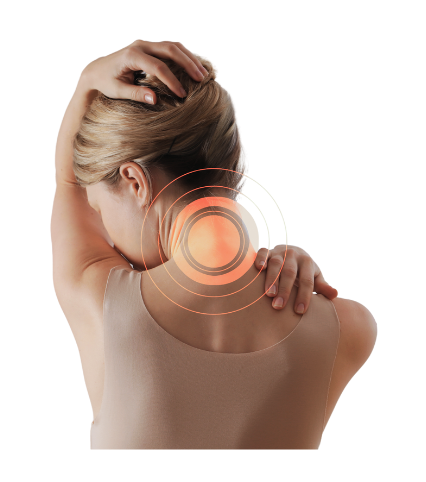
Neck pain and headaches often travel together. You might feel stiffness at the base of the skull, tight upper shoulders, and a headache that wraps to the forehead. Or you might feel fine in the morning, then by mid afternoon a desk day turns into a heavy, tight head.
At PhysioCentral in Miranda, our physiotherapists help people across the Sutherland Shire identify what is driving their symptoms and build a plan that not only provides short-term relief but also reduces flare-ups over the long term. A headache that stems from the neck can even be cured!
Most people are not dealing with “just a headache” or “just a stiff neck”. The two often feed into each other.
Why neck pain and headaches often show up together
Neck pain and headaches often overlap because the joints, nerves, and muscles of the upper neck can refer pain to the head. A brief rest or massage can settle things temporarily, but if the underlying drivers are still there, symptoms tend to recur. The common culprits are stiffness, nerve sensitivity, and low muscle endurance in the neck and upper back.
Physiotherapy can help by:
- identifying the most likely headache pattern and triggers
- checking whether the neck is contributing
- improving mobility and settling irritation
- building strength and endurance so the problem stops returning
The most common patterns we see
Neck pain and headache symptoms often fall into one of these patterns:
- headache that starts at the base of the skull
- headache linked to neck stiffness, posture, or long periods sitting
- one sided headache that feels connected to one sided neck tightness
- headache that is worse with certain neck positions or movement
- headaches that improve briefly after treatment but keep returning
- headache and jaw tension that flare together, especially with stress or clenching
- headache after a whiplash-type injury or prolonged guarding
Is your headache coming from your neck?
These signs make a neck contribution more likely:
- your neck feels stiff or sore on the same days your head hurts
- turning your head, looking down, or sitting for long periods increases symptoms
- the headache feels like pressure or tightness rather than throbbing
- you get pain at the base of the skull, temple, or around one eye
- you notice upper shoulder tightness, pain, and fatigue with desk work
- manual pressure into upper neck muscles reproduces familiar symptoms
This doesn’t mean every headache is caused by the neck, though it does mean the neck’s worth assessing, especially if your symptoms are recurring.
Types of headaches that can overlap with neck pain
Cervicogenic headache (neck related headache)
🩻 This is a headache driven by nerve irritation or joint stiffness in the upper neck. The pain often originates at the base of the skull and may radiate to the forehead or behind the eye. Neck movement and posture can be strong triggers.
Tension type headache with neck and shoulder overload
😣 This often presents as a tight band around the forehead or a sensation of heaviness in the head. Upper shoulder and neck muscles tend to be overused, especially under stress, desk work, and poor sleep.
Migraine with a neck component
🧠 Migraines can have many triggers. For most people, neck sensitivity, stiffness, or sustained posture is one of the contributors. Physiotherapy aims to reduce neck-driven triggers, improve movement tolerance, and build physical resilience. It is not a replacement for medical or specialist migraine care, and we will advise you on when further input is warranted.
Remove the trigger. Prevent the migraine.
Headache linked with jaw and neck tension
😬 Jaw clenching, facial tension, and upper neck guarding can overlap. Some people notice jaw stiffness, temple pain, or headache after long days, stress, or poor sleep.
Dental issues and misaligned teeth can also be triggers. We can advise you on whether dental involvement is necessary as well.
Post injury headaches (including whiplash)
🚙 After a rapid acceleration injury, the neck can become sensitive and guarded. Headaches and dizziness can follow. Early assessment and a staged return to movement can make a big difference.
When to see a GP urgently
Headaches are usually not dangerous, but there are red flags that need urgent medical assessment.
🚩 Seek urgent medical care if you have:
- a sudden, severe headache that peaks quickly
- fainting, confusion, weakness, facial droop, or speech changes
- significant vision changes
- fever, neck rash, or severe unwellness
- unexplained weight loss with new headache symptoms
- a new headache pattern that is rapidly worsening
- headache after significant head trauma
If you are unsure, it is always safer to speak with your GP.
What we do in your assessment
🔍 We start by identifying which headache pattern you fit into, what is driving it, and what needs to change.
A physiotherapy assessment may include:
- your headache story: where it starts, what triggers it, what eases it
- screening questions to rule out red flags
- neck range of motion and joint mobility assessment
- tests for sensitivity and tightness of nerves, and referred pain patterns
- upper back and shoulder movement assessment
- strength and endurance testing of the neck and upper back
- posture and work setup discussion, if relevant
- a clear plan you can follow
Our treatment approach
We focus on both relief now and prevention later. The goal is not to chase symptoms forever. The goal is to build a neck that can handle anything life throws at it.
Phase 1: Mobility
Goal: reduce stiffness and irritation, restore basic movement.
This may include gentle hands on treatment, targeted mobility work, and calming strategies for sensitised muscles and joints.
Phase 2: Flexibility
Goal: further reduce protective tightness and restore full range of motion of all muscles, joints, and nerves reulting in smoother, unrestricted motion. And no muscle tension.
This often includes stretching that matches your irritability level, plus guidance on posture and movement habits that repeatedly flare symptoms.
Phase 3: Strength
Goal: build muscular endurance and control to prevent symptom recurrence.
This is where long-term change usually happens. Neck and headache patterns improve when the neck and upper back can maintain posture with less effort, and when the nervous system ceases to treat everyday postures as threats.
If you want a deeper explanation of our approach, read Understanding Neck Pain and Headaches.
Understanding Neck Pain and Headaches
Neck stiffness, pain, and headaches are some of the most common ailments people experience today. So common, in fact, that many people have come to accept them as just another part of daily life. But what if they don’t have to be?
What you can do today
If your symptoms are mild and not worsening, these are safe starting points:
- change position more often. Aim for a brief posture reset every 30 to 45 minutes. Set a countdown timer on your phone. Get up move around for 1 minute. Reset posture in your chair. Repeat.
- avoid long, fixed positions that hold your head forward and shoulders rounded
- try gentle neck movement within comfort rather than forcing stretches
- reduce intensity of activity, but keep moving
- prioritise sleep consistency and reduce pillow setups that push the neck into extreme angles
If movement causes sharp pain, dizziness, or symptoms that feel unusual for you, stop and get assessed.
If you want a simple starting point, read Mobility: The First Step to Overcoming Neck Pain and Headaches.
Mobility: The First Step to Overcoming Neck Pain and Headaches
Neck pain and headaches are common ailments that affect millions of people worldwide. They are also the most frequent conditions we treat at PhysioCentral.
Mobility is the first crucial phase in a comprehensive approach to recovery, followed by Flexibility, and finally, Strength.

Frequently asked questions
What is a cervicogenic headache?
A cervicogenic headache is a headache in which pain originating in the upper neck joints, muscles, or nerves is referred to the head. It often links with neck stiffness and is triggered by posture or movement. Pain is normally one-sided.
Can physiotherapy help migraines?
Physiotherapy can help people with migraines when neck sensitivity, postural load, or muscle tension are contributing factors. We also advise you when a GP review is necessary.
Why does my neck pain cause headaches?
The upper neck shares nerve pathways with the head. When joints or muscles in the upper neck become stiff or irritated, pain can be felt in the skull, temple, forehead, or behind the eye.
How long does it take to improve neck related headaches?
Some people feel a change quickly, especially when stiffness and irritation reduce. Long term change usually requires a staged plan over weeks, with strength and endurance work playing a key role.
Should I stretch my neck if it hurts?
Sometimes, but it depends on the degree of neck irritability. Forcing stretches can flare sensitive symptoms. We usually start with gentle mobility and progress as your neck calms down.
A good rule of thumb. Stretch to prevent, not to relieve a current headache.
Can posture cause headaches?
Posture is rarely the only cause, but sustained posture can be a strong trigger. Improving movement habits and building strength so that posture requires less effort is often the key.
Ergonomic seating and sit-to-stand desks can offer significant benefits.
We can advise on the best setup.
What pillow is best for neck pain and morning headaches?
The best pillow is one that keeps your neck neutral, not bent up or hanging down. Pillow choice depends on your body shape and sleep position. We can guide you based on your assessment. Regarding pillow material, we recommend memory foam only.
When should I get imaging for neck pain or headaches?
Most neck pain does not require scans. Imaging is usually considered when there are red flags, significant trauma, progressive neurological symptoms, or when symptoms are not responding as expected. Your GP can guide this decision, and we can communicate findings if needed.
Why PhysioCentral
At PhysioCentral, we focus on clear answers and a plan you can follow.
You can expect:
- a thorough assessment
- hands-on care when it’s appropriate
- a step by step exercise plan that progresses
- education in plain English
- support that fits your work and home routines
We are located in Miranda and work with people across the Sutherland Shire.
Book online
If you are ready to work out what is driving your neck pain and headaches, book online for an assessment.
Prefer to call:
(02) 9542 7276
Clinic location:
PhysioCentral
Level 3, 14-16 Central Road, Miranda NSW 2228